

What Is Brass/Cooper Machining
Brass/Copper machining refers to the process of cutting, shaping, and finishing brass or copper components using various machining techniques. These techniques involve the use of cutting tools such as lathes, mills, drills, and grinders to remove material from the workpiece and create the desired shape and size. The brass or copper material is particularly popular for its excellent electrical conductivity, high durability, and corrosion resistance, making it ideal for use in various industries, including electronics, plumbing, and automotive. Machining brass/copper requires advanced skills and expertise due to the material's high hardness, ductility, and thermal conductivity.
Advantages of Brass/Cooper Machining
Excellent Conductivity
Copper exhibits exceptional electrical and thermal conductivity. Thus, micromachining copper allows for the creation of complex and intricate electrical components, such as microelectrodes, and connectors. Its superior conductivity ensures efficient signal transmission and reliable performance.
Corrosion Resistance
Copper possesses inherent corrosion resistance, and hence is suitable for applications exposed to various environments and corrosive substances. Micromachined copper components are commonly used in micro medical applications where corrosion resistance is vital for performance.
Antimicrobial Properties
Copper and brass have natural antimicrobial properties, known as the “antimicrobial effect.”This unique characteristic inhibits the growth of bacteria, fungi, and other harmful microorganisms on copper surfaces. Micromachined copper components find application in medical devices, such as antimicrobial catheters, wound dressings, and implantable devices, aiding in the prevention of infections.
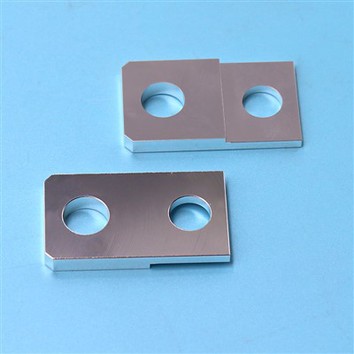


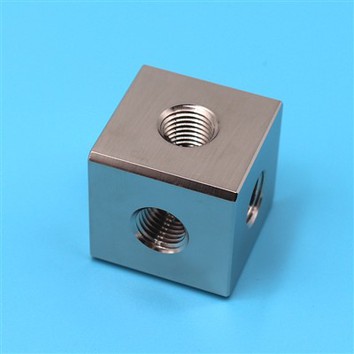


Material:H59,CuZn39Pb3,H62,H85,C3604,C23000,CuW90/10,CW021A,C11000,101OFC,Bronze, C93200,etc Process:CNC milling,CNC turning Surface treament:Nickel, Chrome,Gold,Silver,Tin plated, Chemical Nickel plated,etc
Why Choose Us
Fast and Reliably Delivery
Iterate part designs quickly and accelerate product development with quick-turn parts. Our automated design analysis will help spot any difficult to machine features before your design is sent to the manufacturing floor and save you from costly reworks further down the product development cycle.
Advanced Capabilities
Get anodizing, tighter tolerances, and volume pricing options through our network of manufacturers at Hubs. You'll find plating (black oxide, nickel), anodizing (Type II, Type III), and chromate coating in larger part quantities; tolerances down to ±0.001 in. (0.020mm); and cost-efficient machined parts at higher volumes to lower piece-part price.
Manufacturing Analysis and Online Quotes
When you upload your 3D CAD file to request a quote, we'll analyze your part geometry to identify any features that may be difficult to machine such as tall, thin walls or holes that cannot be threaded.
Infinite Capacity
Eliminate downtime spent waiting for parts and safeguard in-house machining with on-demand relief and infinite manufacturing capacity.
Our Tips For Successful Brass CNC Machining
Successfully machining brass using CNC methods requires careful planning, attention to detail, and adherence to best practices.
Here are some tips to ensure a successful brass CNC machining process:


Select the Right Brass Alloy:
Choose the appropriate brass grade based on the specific requirements of your project, considering factors such as machinability, mechanical properties, corrosion resistance, and cost.
Optimize Tooling:
Select cutting tools specifically designed for brass machining. Carbide tools are often preferred for their durability and ability to handle high-speed machining.
Ensure tools are sharp, properly aligned, and have the right geometry for the task.
Coolant and Lubrication:
Use appropriate coolants or lubricants during machining to dissipate heat and improve chip evacuation. Proper lubrication can help prevent tool wear and extend tool life.
Control Machining Speeds and Feeds:
Brass is sensitive to heat, so controlling speeds and feeds is crucial. Find the right balance to maintain efficiency while preventing overheating.
Minimize Vibration:
Vibration can affect surface finish and accuracy. Secure workpieces and use appropriate tool paths to minimize vibration and chatter during machining.
Consider Trochoidal Milling:
Trochoidal milling techniques involve using circular tool paths, which can help reduce tool wear, improve surface finish, and enhance chip evacuation.
Implement Proper Fixturing:
Secure the brass workpiece firmly in place to prevent movement during machining. Proper fixturing enhances accuracy and reduces the risk of errors.
Deburring and Cleaning:
After machining, thoroughly deburr and clean the components to remove any sharp edges or leftover chips. Proper cleaning ensures the final product is safe and meets aesthetic standards.
Consider Post-Machining Treatments:
Depending on the application, consider post-machining treatments like polishing, electroplating, or coating to enhance the appearance, corrosion resistance, or other properties of the brass components.
Minimize Heat Exposure:
Brass can work hard if exposed to excessive heat during machining. Minimize dwell time and use appropriate cooling methods to prevent work hardening.
Maintain a Stable Environment:
Brass machining can be affected by temperature variations. Ensure a stable machining environment to prevent dimensional inaccuracies.
Documentation and Iteration:
Keep thorough records of machining parameters, tooling choices, and any challenges faced during the process. This documentation can aid in optimizing future machining operations.
Operator Training and Expertise:
Ensure that the CNC machine operators are well-trained and experienced in working with brass.
Collaborate with Experts:
When in doubt, seek advice from CNC machining experts or material suppliers. By following these tips and adapting them to your specific project requirements, you can enhance the success of your brass CNC machining endeavors, producing high-quality components efficiently and accurately.
Finishing Options for CNC Brass Machining
The surface finishes of CNC machined brass can be varied to meet specific requirements such as:
Electroplating: This process involves binding another metal onto the brass surface, providing benefits such as improved corrosion resistance and durability. Electroplating can also create a glossy or smooth finish, enhancing the overall aesthetic appeal of the part.
Honing vs. Powder Coating: Honing creates a cross-hatched pattern on the brass part surface, adding a unique texture. On the other hand, powder coating involves coating the brass parts with dry powder to enhance corrosion and wear resistance.
Design for Manufacturability: The design of the part plays a crucial role in CNC machining, including brass. By considering design for manufacturability principles, you can ensure ease of machining and optimize the finishing process.
Finishing options such as buffing, electroplating, honing, and powder coating can be used to enhance the appearance and improve corrosion and wear resistance. It’s important to select the appropriate finishing method based on your specific requirements and the intended application of the CNC machined brass parts.

When choosing brass for machining, it is important to consider the following factors to ensure the best outcome for your project:
Machining time: Different brass grades require varying amounts of time to machine.
Design principles: The chosen brass grade should be easy to machine and adhere to manufacturing standards.
Cost: Different brass grades vary in price.
Material compatibility: The chosen brass grade should be compatible with other materials and finishes for assembly or application purposes.
Strength and weakness analysis: The desired properties of the finished part should be matched with the characteristics of the chosen brass grade.
Brass machining processes are used in a variety of industries to create custom parts for electrical equipment, joints, screws, and rotor bars. To ensure the finished brass components are compatible with the intended application, consider the following factors:
Choose the appropriate brass grade based on the required properties for the specific application.
Ensure that the brass part is machined according to the desired specifications and design requirements.
Assess the corrosion resistance of the brass part to determine its suitability for the intended environment.
Consider the visual appeal of the finished brass part, as its golden color can enhance the overall appearance of the application.
Determine whether the brass part is compatible with different finishing options such as buffing, electroplating, honing, or powder coating.
Carefully evaluating these factors will help you choose the right brass grade and optimize the application of the finished brass part.

Machining Techniques for Copper and Brass
Laser machining
Laser machining involves the use of laser beams to precisely remove material from copper substrates, creating intricate features. This non-contact process thus offers high precision, minimal heat-affected zones, and excellent repeatability.
Electrical Discharge Machining (EDM)
Micro EDM utilizes controlled electrical discharges to erode the copper material and form desired shapes. It is particularly suitable for complex geometries and hard-to-machine materials like copper.
Micro-Milling
Micro-milling employs small-diameter cutting tools to remove material and create precise features. Micro milling and turning commonly produces intricate features such as machining, channels, and intricate patterns on copper surfaces.
What are Common Grades of Cooper Machining

Oxygen-Free Copper (C10100)
OFC exhibits high electrical conductivity and low impurity content, making it suitable for applications that require superior conductivity, such as microelectrodes and electrical connectors.

Free Cutting Brass (C36000)
This widely used brass grade offers excellent machinability, making it suitable for intricate micromachined components. It furthermore exhibits good corrosion resistance and is often utilized in electrical connectors, fittings, and small precision parts.

Beryllium Copper (C17200)
Beryllium copper alloys combine copper with a small amount of beryllium, resulting in improved strength, durability, and thermal conductivity. This grade is commonly used in micromachined components subjected to high stress, such as springs and electrical contacts.

Dezincification-Resistant Brass (C46400)
This brass grade resists dezincification, a form of corrosion that occurs in some environments. It exhibits high corrosion resistance and is commonly used in plumbing and marine applications, as well as in micromachined components for medical devices.
Expert Guidance for CNC Brass Machining Projects
For expert guidance on your brass CNC projects, consult with industry professionals who can provide valuable insights and recommendations.
When it comes to brass selection, it’s crucial to consider the specific requirements of your project. Different brass grades have varying strengths, weaknesses, and material compatibility. Expert advice can help you choose the appropriate brass grade that aligns with the applications of your machined part.
They can also provide recommendations on machining techniques to optimize the manufacturing process. By seeking expert guidance, you can ensure the successful completion of your CNC Brass Machining project, meeting both functional and aesthetic requirements.
Trusting the expertise of industry professionals will save you time, resources, and potential mistakes in selecting the right brass and implementing effective machining techniques.
Offers Precision Custom Brass Machining
Brass's unique properties make it one of the most widely used metal alloys. Its versatility allows it to perform well nearly every industry and its beautiful coloring – which can range from light gold and silver to almost red – makes it a popular choice for decorative applications.
Brass is made from zinc and copper, making it strong, durable, conductive and highly resistant to corrosion. Brass is a high-density material, making it ideal for heavy industrial parts. It has excellent strength and its properties closely resemble those of steel, but because brass doesn't contain iron it will never rust. However, its high copper content means that it can develop a protective oxide layer (patina) on its surface. This greenish-blue patina actually helps protect the brass from further corrosion. Brass's inability to rust makes it the most widely used metal in plumbing, marine and naval applications. Brass is also commonly used in bearings, bushings, valves, electrical devices and marine parts.
Brass's copper content also gives it antimicrobial properties. Brass is a poor breeding ground for bacteria, making it ideal for doorknobs, bathroom fixtures and medical applications. Other key properties of brass include:
● Excellent malleability
● Excellent thermal conductivity
● High temperature resistance
● Low friction
● No need for surface finishing
● Nonmagnetic properties
Brass also has excellent machinability, which is the ease with which a metal can be cut in order to remove material and shape it into the desired end product. Properties such as durability, malleability and thermal conductivity contribute to a material's machinability. In addition to ease of machining, brass can be machined at much higher speeds than other metals. And these high-speeds can be achieved without having a negative impact on tool wear, part surface finishes and chip formation. This allows for significantly reduced part cycle times, which in turn means faster delivery and lower part costs.
Brass is also 100% recyclable. Machining scrap (“chips”) can be recycled through scrap buy-back programs which use the chips to produce new brass over and over with no loss in material properties. This makes brass both cost-effective and eco-friendly.
Certificate


Our Factory
Ruixing was founded in 2005 and passed ISO9001-2015. We are specialized in machining services for 18 years more. We are your professional partner of machining parts.
Our service focus on the professional machining service for Industry Automation, Aerospace parts, Knitting Machine Parts, Instruments & Meters, Sensor, Medical Equipment, Beauty & Personal Care, Consumer electronics and hardware, etc.


FAQ