

What Is Steel Machining
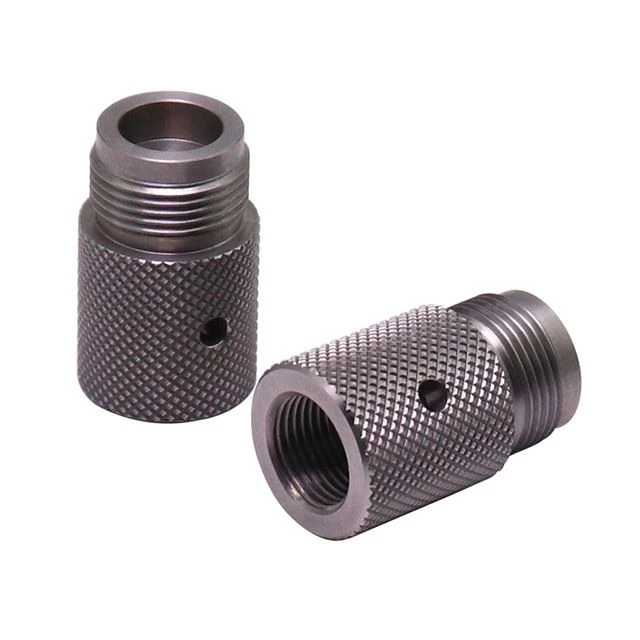
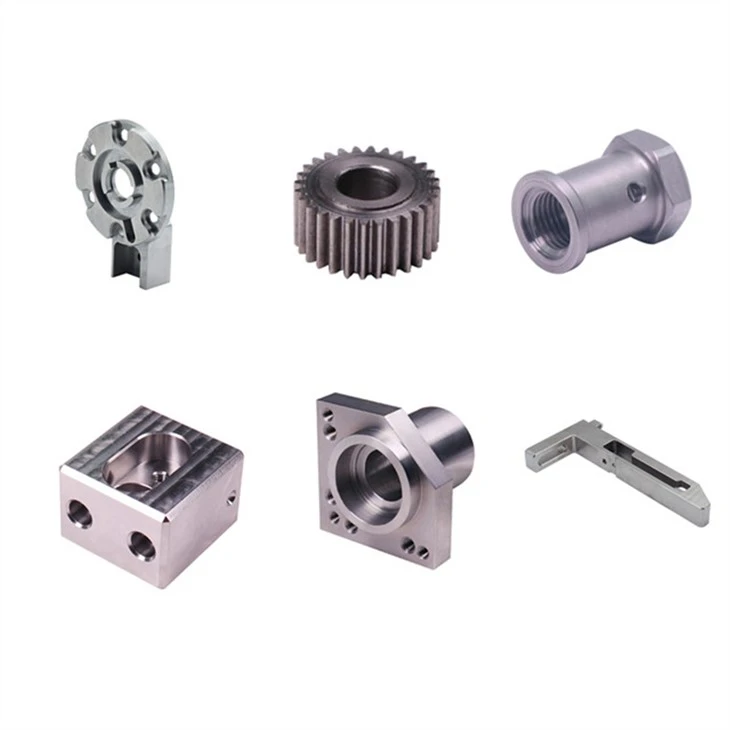
Steel machining is a process that involves removing material from a steel workpiece to achieve the desired shape, size, and dimensional tolerance. It is typically carried out using cutting tools such as drills, mills, lathes, and grinders that rotate, cut, and shape the steel material according to the programmed instructions. The process can be used to create a wide range of steel parts and components, including gears, shafts, fasteners, and structural components used in a variety of industries such as aerospace, automotive, construction, and manufacturing. Steel machining requires skillful use of precision tools and machinery, as well as a deep understanding of the properties of steel and how it behaves during the cutting process.
Advantages of Steel Machining
Strength and Durability: Steel is known for its high strength and durability, making it an ideal material for machining parts that require high levels of performance and reliability.
Versatility: Steel can be machined into a variety of shapes and sizes, including complex geometries. This versatility makes it an ideal choice for a wide range of applications.
Corrosion Resistance: Certain types of steel, such as stainless steel, are highly resistant to corrosion, making them ideal for use in harsh environments or applications where exposure to corrosion is a concern.
Cost-Effective: Steel machining is generally a cost-effective process, particularly when compared to other materials such as titanium or aluminum.
High-Speed Machining Capability: Steel can be machined at high speeds, making it a popular choice for manufacturers looking to increase production rates and reduce cycle times.
Consistent Quality: Steel machining is a highly precise process that can produce parts with consistent quality and accuracy.
Machinability: Steel is a machinable material, meaning it can be easily cut, drilled, and shaped to meet specific design requirements.
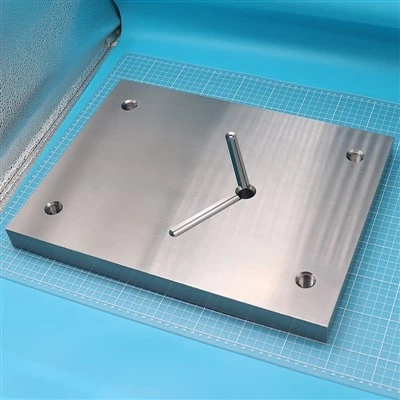
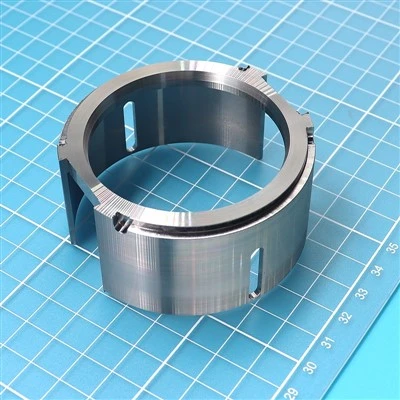
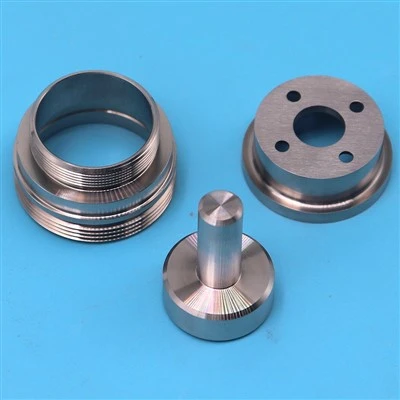
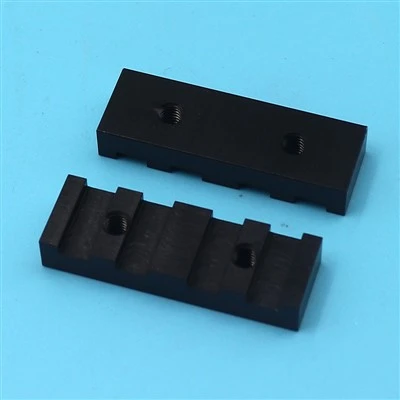
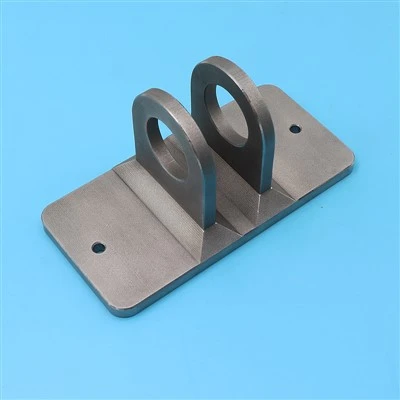
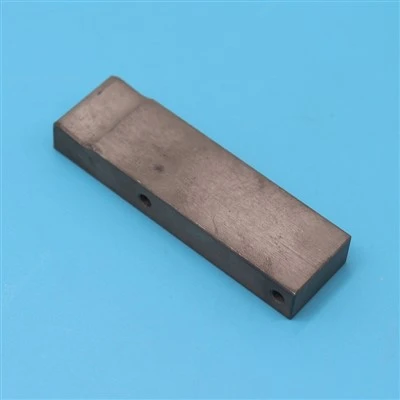
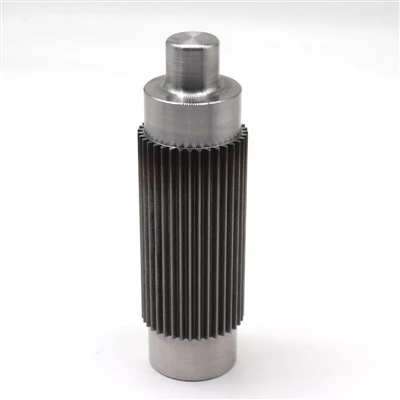
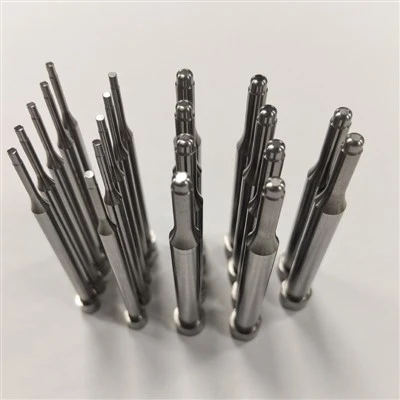
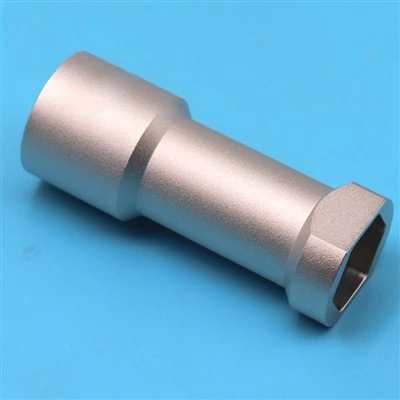
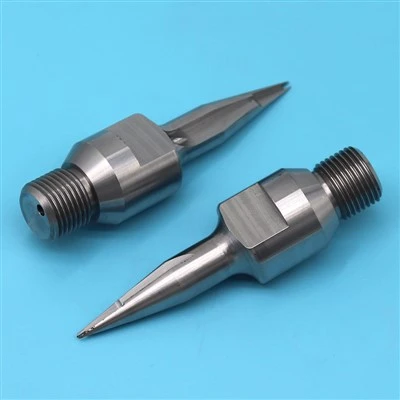
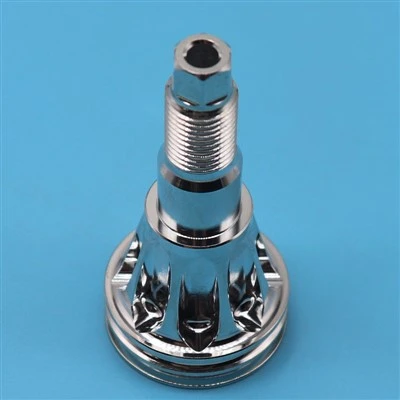
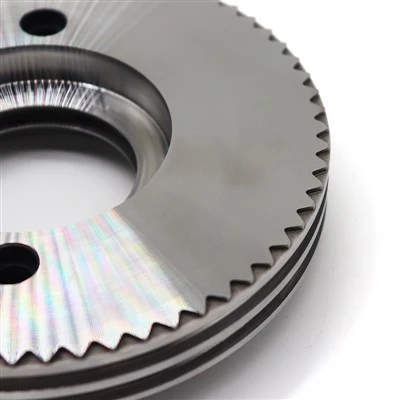
Material:Mild steel, Carbon steel, 12L14, 1215, 1018,1045,Q235, XC38, XC48, 4140, 4340, 42CrMo4, 35MF6Pb, X30Cr13, Inconel 600, etc Process:CNC turning, CNC milling, Surface treament:Zinc, Nickel, Chrome plated,Oxide black,Chemical Nickel plated, Powder Coated,Heat treatment, PVD, Teflon plated, etc
Why Choose Us
Fast and Reliably Delivery
Iterate part designs quickly and accelerate product development with quick-turn parts. Our automated design analysis will help spot any difficult to machine features before your design is sent to the manufacturing floor and save you from costly reworks further down the product development cycle.
Advanced Capabilities
Get anodizing, tighter tolerances, and volume pricing options through our network of manufacturers at Hubs. You'll find plating (black oxide, nickel), anodizing (Type II, Type III), and chromate coating in larger part quantities; tolerances down to ±0.001 in. (0.020mm); and cost-efficient machined parts at higher volumes to lower piece-part price.
Manufacturing Analysis and Online Quotes
When you upload your 3D CAD file to request a quote, we'll analyze your part geometry to identify any features that may be difficult to machine such as tall, thin walls or holes that cannot be threaded.
Infinite Capacity
Eliminate downtime spent waiting for parts and safeguard in-house machining with on-demand relief and infinite manufacturing capacity.
Machining Process for Steel Machining Parts
Endmills
The tools you use will have a major impact on your project and the damage it can cause to your machine. The ideal type of endmill varies by application, but be sure to stick with a high-speed steel or carbide-constructed tool. High-speed steels include tungsten and molybdenum. Cemented carbides are a good choice when you need higher feeds or speeds. Make sure the cutting tool is sharp and in good condition to keep a high quality of cut.
●Roughing: An endmill with 4-5 flutes can offer sufficient roughing on steel. Remember that higher flutes make room for higher feed rates.
●Slotting: To slot steel, you'll have to be aware of chip control and take enough care so your tools aren't chewed up and your finish isn't ruined. Try a four-flute endmill, which allows for chips to leave the cutting area more efficiently.
●Finishing: To finish steel parts, you'll want a large number of flutes or high helix of over 40 degrees.
Feeds and Speeds
Now that you have the right tool selected, you need to ensure your speeds are appropriate. While it takes a little fine-tuning, a good starting point would be between 100 and 300 surface feet per minute (SFM) with chiploads ranging depending on the tool size.
Steel Machining Tips
Steel can be tricky to machine, but it’s not too bad if you are prepared and use the right settings and tools. Be sure to keep these concepts in mind as you machine steel.
Keep heat low: Steel machining can generate very high temperatures, so take precautions to minimize their effects. Be sure to use a cutting fluid. Between work hardening and low thermal conductivity, keeping heat away from the cutting area is important to keep it in top shape. If excessive heat remains here, you may see distortion and a reduction in corrosion resistance. Cutting fluids help provide lubrication to wash away any chips, lower the wear on your tools and cool the endmill down. Common cutting fluids include mineral oils and emulsifiable oils. Make sure that you have plenty to use because any interruption of the coolant can lead to fluctuations in temperature, which can affect tool life.
Control vibration: The strength of stainless steel and the speed it requires from the tool can cause extensive vibrations. Vibrations on your work surface can damage your finish while adding wear to your tool. You'll need a robust, rigid tool capable of high-speed cuttings. Keep your workpiece firmly in place with clamps and minimize any tool overhang. You can also try using tools with a small nose radius.
Avoid work hardening: Many steels have high work hardening tendencies. Make sure your tools are sharp and try to keep it moving to avoid any lulls in the cutting process that would lead to a buildup of heat.
Know your material: Every steel alloy is a little different. Know the properties of the one you're using so you can better adjust your machine to address its characteristics. The addition of sulfur, for instance, can allow for higher feeds by affecting the hardening of chips and helping the tool edge stay consistent. Lead allows for higher speeds since it provides a lubricating property that keeps the heat down.
How Does Precision Steel Machining Work
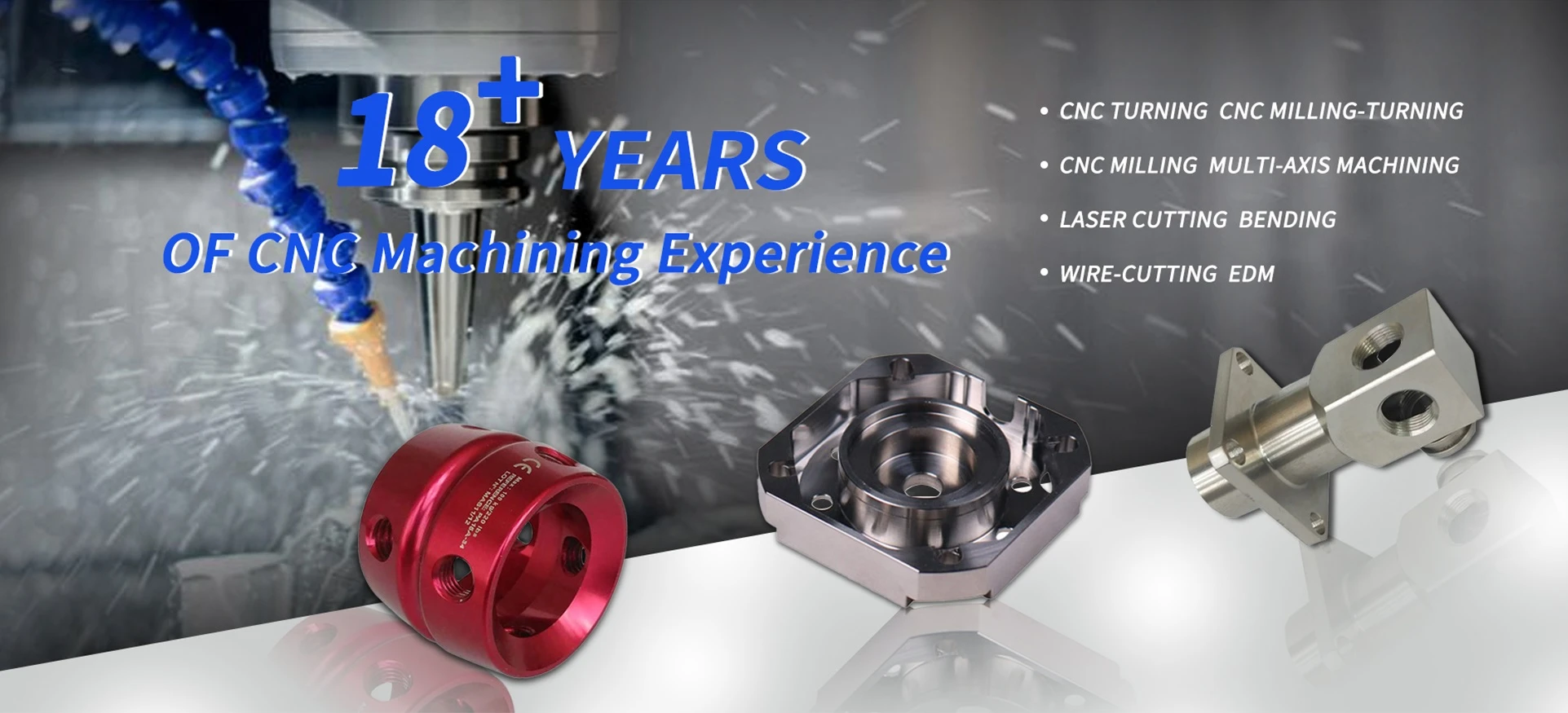
Precision machining is a vital process when you need to produce components with high accuracy and repeatability. A precision piece will have high tolerances and a smooth surface finish. CNC milling and turning technicians must have advanced technical skills to ensure that each step is executed correctly. These procedures require a high level of engineering and design knowledge, as well as a high level of accuracy and durability. Precision steel machining is commonly used in aerospace and automotive applications where flaws can have catastrophic consequences. In the oil and gas industry, precision machining is essential for maintaining the integrity of parts and equipment. Machines in this industry must perform tasks with utmost accuracy, from connectors to sealastic nipples. There are also many types of nuts, adapters, stiffeners, and washers that must be accurate.
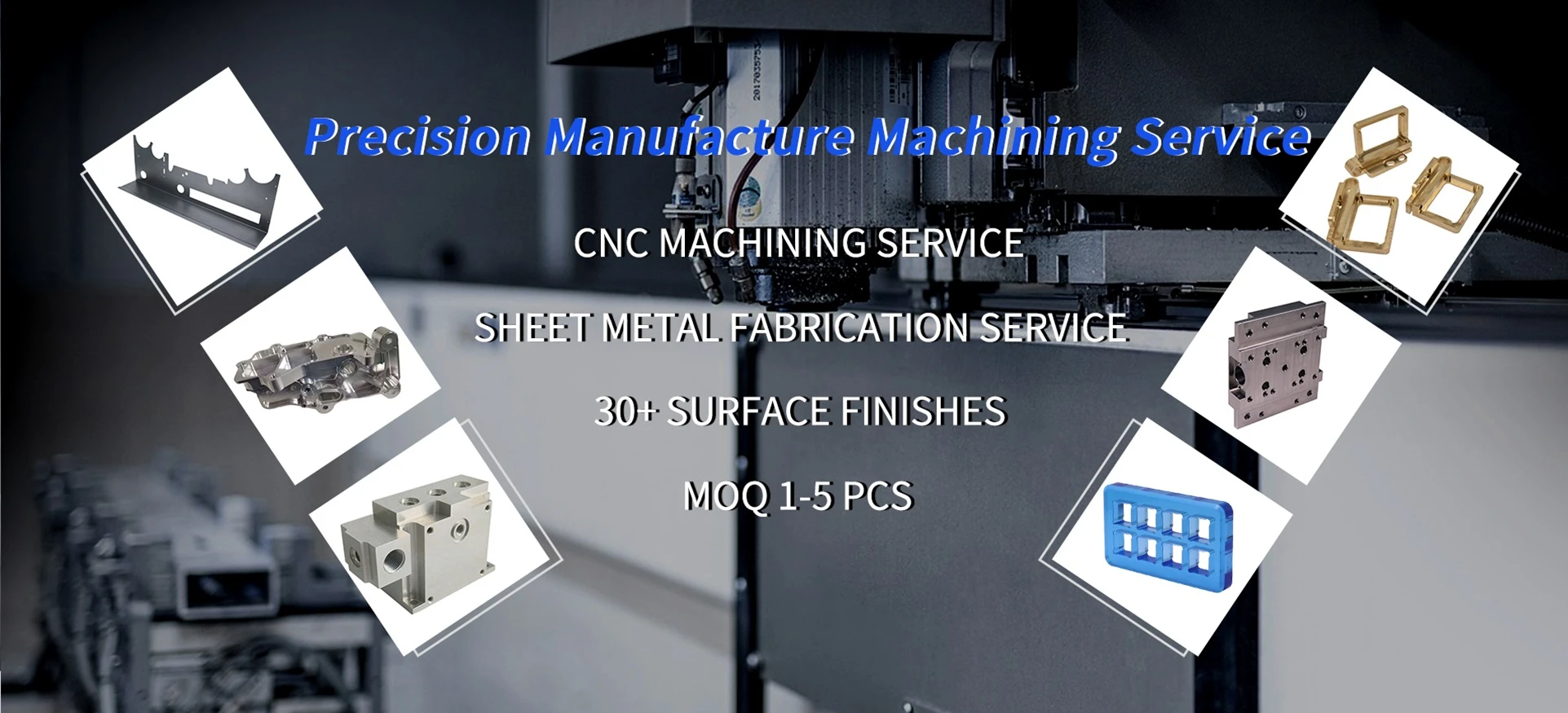
Precision machining services are a must for these industries, and it's crucial to choose a reputable, certified company to get your job done. The process of precision machining consists of cutting off excess raw material from a piece. It involves many different tools, and the finished product is created to exact specifications and tolerances. In some cases, it will even include deburring or other surface deformations. This process can produce a wide variety of profile shapes, which makes it ideal for the production of high-quality components. Precision steel machining is a crucial part of modern manufacturing.
Common Steel Machining Applications
Steel has a lot going for it in terms of strength and durability, but the biggest drawback is its weight. It typically is reserved for applications where weight isn't much of a concern. This often includes structural components. Infrastructure like railways, buildings and roads commonly use steel. Other pieces like screws and bolts may also be made of steel. You can find it in industries like mining, shipbuilding and aerospace technology.
You may find stainless steel in even more places due to its attractive finish. It is versatile and common in furniture and appliances. The corrosion resistance of stainless steel also helps in these applications.
Steel Machining Tips
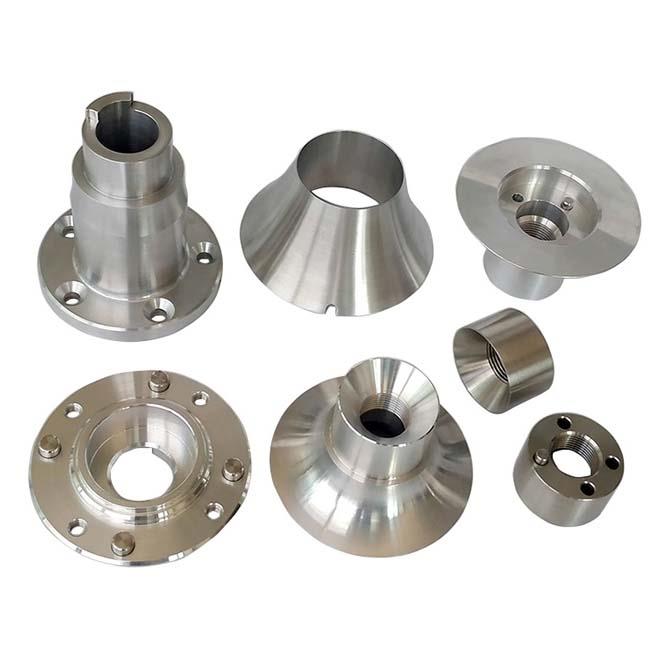
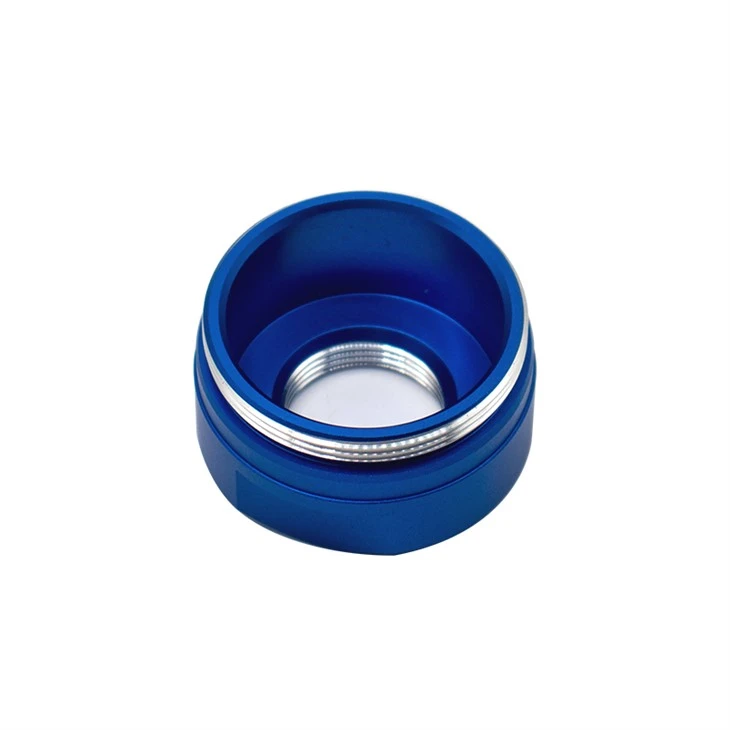
Some steels can be tricky to machine, particularly due to all the different types available. However, if you have considered the basics like your work holding, tool holding what cutting tools you are going to use along with the correct cutting data you will have no problems.
When machining steel you want to avoid things like-
Heat build-up – Steel can cause extremely high temperatures when being machined. Cutting fluid can be used but in some cases its better to cut dry and look out for blue chips (swarf) this is a good sign the heat is in within the chips and not the workpiece.
Work hardening – In some cases machining steels can lead to a work hardening effect which makes it even more difficult to cut. Ensure your cutting edges are sharp and maintaining cutting conditions at an optimal level will prevent work hardening.
Vibration – This can be down to several things, poor working holding, poor tool holding incorrect speeds and feeds and the wrong tool selection can cause vibration. Vibration can lead to several problems, the main one being premature tool failure, poor surface finish and even damage to the workpiece and machine. The best way to avoid vibration is to make sure you have stable workpiece clamping, minimal tool run out (if milling) and you have the correct speeds, feeds and depth of cut.
What tools do you use to machine steel? There are many tool options out there and it will differ if you are milling or turning, below is a general overview of the types of substrate to considered when selecting a tool, although this relates to milling more than turning.
HSS (high speed steel) tools fall at the lower end of the performance scale. These are traditionally cheaper and are suitable for softer steels. The addition of cobalt to some HSS tools increases toughness and tool life. Some HSS tools have coatings that protect against heat and also prolong tool life. HSS tools are predominantly used on manual machine due to their ability to withstand vibration and the fact that they typically run at slower speeds and feeds than carbide for example.
Carbide tools are popular for cutting various materials and a wide range of steels that vary in hardness, some of the higher performing ranges we offer at cutwel can machine high hardened steels up to 70 rockwell. Most general purpose carbide tools are made from a micrograin substrate, these are generally excellent for CNC machining of steels up to 45 rockwell. In the right conditions they offer higher speeds, feeds and longer tool life. But carbide is brittle, at cutwel we wouldn't recommend solid carbide cutting tools for a manual machine.
Some of the advanced technologies involved in carbide tooling like variable and multiple helix geometries can also combat some of the challenges faced when machining steel such as chip evacuation and eliminating chatter (vibration). Moving up the performance scale you then find ultrafine micrograin or nanograin carbide milling cutters which are more suited to hardened steels from 45-70 rockwell. These also tend to feature more advanced coatings to prolong tool life on harder materials and allow for dry cutting due to the heat the coating can withstand, some can withstand up to 1200° and others up to 1400°.
Sat in between HSS and Carbide are Powder metal substrate tools. These are great for applications where carbide is prone to chipping (potentially due to unstable machining conditions) and where you need better performance than HSS. Powder metal tools are great for steel machining and are also suitable for manual machines.
Certificate


Our Factory
Ruixing was founded in 2005 and passed ISO9001-2015. We are specialized in machining services for 18 years more. We are your professional partner of machining parts.
Our service focus on the professional machining service for Industry Automation, Aerospace parts, Knitting Machine Parts, Instruments & Meters, Sensor, Medical Equipment, Beauty & Personal Care, Consumer electronics and hardware, etc.


FAQ